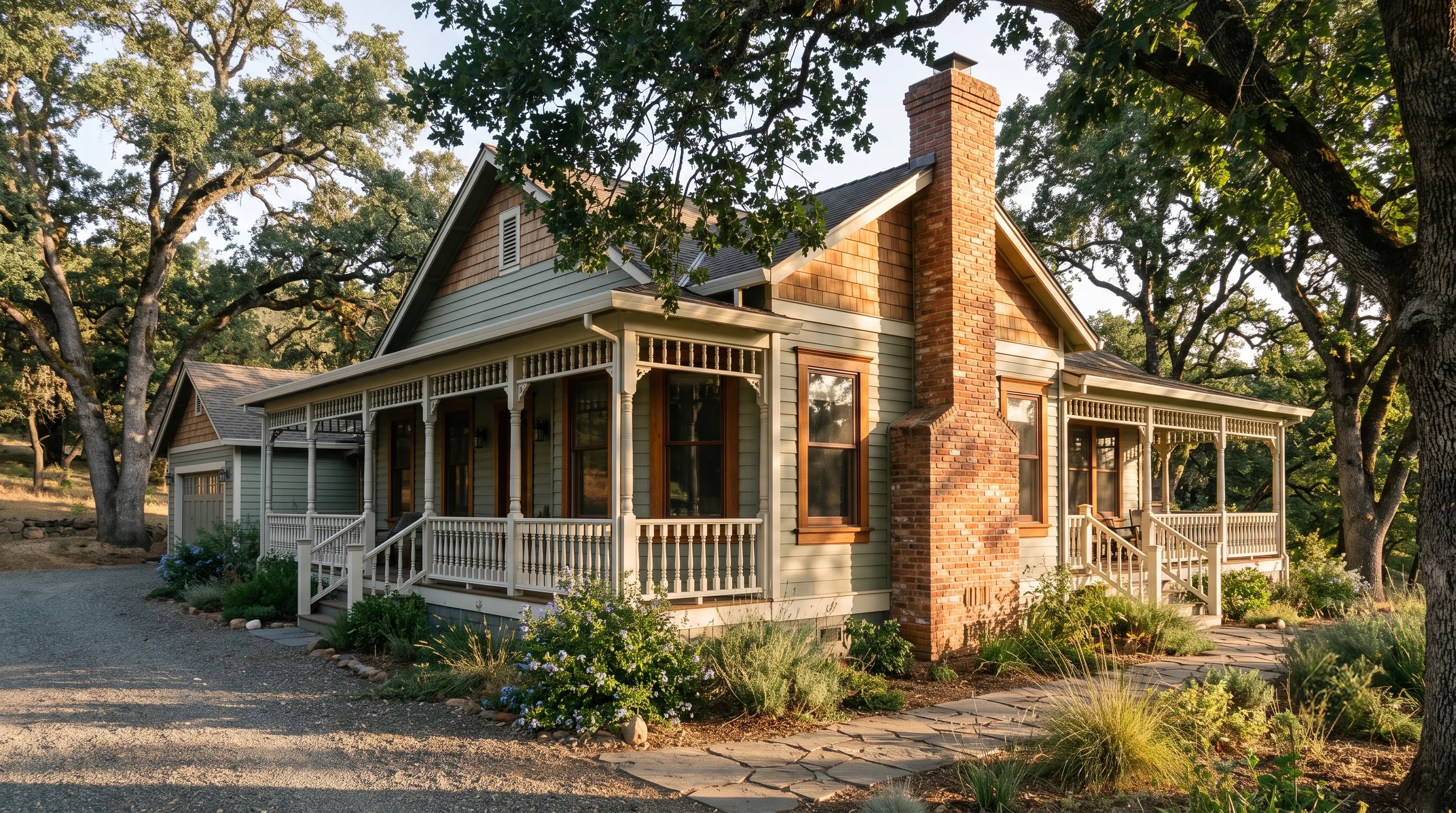
Auburn's housing stock spans several distinct eras — historic in-town cottages, mid-century foothill ranches, and a wave of construction from the 1970s through the early 2000s. Each comes with its own quirks, and remodeling an older home here means planning around realities that simply don't come up in newer construction. Here's what's worth knowing before you start.
What "Older" Actually Means in Auburn
Unlike newer subdivisions with standardized construction, Auburn's older homes were often built individually, over decades, sometimes with additions layered on by different owners at different times. That means two houses built in the same decade can have completely different structural realities behind their walls — which is exactly why a generic remodeling timeline or budget rarely applies cleanly here.
Common Structural Surprises
A few discoveries come up often enough in Auburn remodels that they're worth planning for from the start:
- Original chimneys or fireplace chases that limit where a kitchen island or new wall can go
- Additions built without matching the original home's foundation or framing
- Roof lines that don't align cleanly with where a remodel plan assumes they will
- Sloped or irregular foothill lots that constrain how a home can physically expand
None of these are reasons to avoid a project — they're the kind of thing an experienced local contractor should flag during your first walkthrough, not discover three weeks into demolition.
Updating Systems Without Losing Character
Electrical
Homes built before the 1980s often have electrical panels that weren't designed for the number of appliances and devices a modern household actually uses. Updating the panel during a kitchen or bathroom remodel is common, and it's far easier to handle proactively than to discover mid-project that new appliances can't be safely supported.
Plumbing
Older plumbing, particularly galvanized pipe common in homes from certain eras, can be prone to corrosion and reduced water pressure over time. A bathroom or kitchen remodel is often the most practical moment to address this, since walls are already open and the incremental cost is far lower than a standalone plumbing project later.
Insulation and Windows
Many older Auburn homes have minimal insulation and original single-pane windows, both of which affect comfort and energy costs more than most homeowners initially realize. While a full home energy retrofit is its own project, it's worth addressing insulation behind any wall that's already being opened as part of a kitchen or bathroom remodel.
Permitting Considerations for Older Properties
Older homes sometimes have work completed by previous owners without permits, which can complicate the permitting process for your current project. In some cases, this means addressing unpermitted work as part of getting new permits approved — not a dealbreaker, but a step worth understanding upfront rather than discovering partway through the process.
Local experience with Placer County's permitting office matters here specifically. A contractor who's navigated this situation before can set realistic expectations and avoid unnecessary delays.
Preserving What's Worth Keeping
Not every original detail in an older home needs to go. Some of the most successful remodels we've done in Auburn kept specific character elements intentionally:
- Original wood ceiling beams, treated as a design feature rather than something to cover
- Window trim or door casings that match the home's original architectural style
- Built-in cabinetry or shelving with genuine craftsmanship worth restoring rather than replacing
- Original hardwood flooring, refinished rather than removed
The goal isn't to preserve everything indiscriminately — it's to be intentional about which details genuinely add character, and which are simply dated in a way that doesn't serve the home anymore.
Where to Go From Here
Remodeling an older Auburn home means planning for the unexpected, but it doesn't mean the project has to feel unpredictable. A thorough first walkthrough, honest conversations about what might be behind the walls, and a contractor with real local experience make the difference between a project that stays on track and one that doesn't. We're happy to walk your specific property and talk through what we'd actually expect to find.