Not every remodel starts with an obvious problem. A kitchen with peeling laminate or a bathroom with a leaking shower makes the decision easy — but interior remodels are often driven by something quieter: a home that technically works fine, but doesn't quite fit how you actually live in it anymore. Here's how to recognize the signs.
Your Home Doesn't Reflect How You Actually Live Anymore
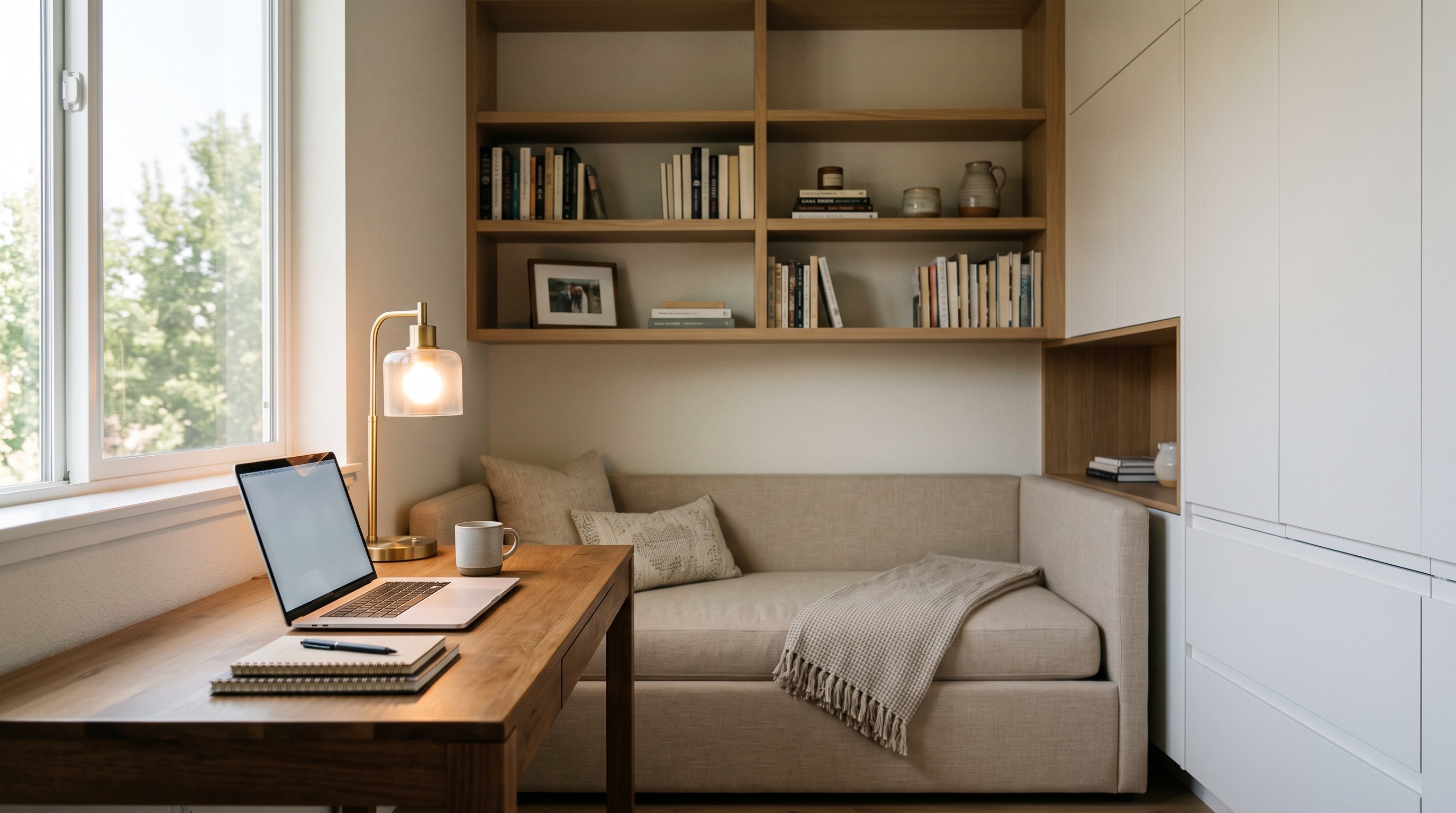
Homes get lived in, and life changes faster than most interiors do. A formal living room nobody uses, a home office wedged into a corner that was never meant for it, flooring and trim that don't match after a partial update years ago — none of these are emergencies, but together they add up to a home that feels slightly out of sync with the life happening inside it.
Signs Worth Paying Attention To
A few quieter signals that it might be time for an interior remodel, even without anything technically broken:
- You've stopped using a room the way it was originally designed for
- Flooring or trim styles are visibly mismatched between rooms, from updates done at different times
- Storage never feels like quite enough, no matter how much you reorganize
- Guests routinely ask "have you thought about doing anything with this room?"
- You find yourself apologizing for a specific room before anyone's said anything about it
None of these alone means you need a remodel tomorrow. But if several are true at once, it's usually a sign the house has quietly fallen behind how you actually use it.
When a Single Room Isn't the Real Problem
Sometimes what feels like "the office needs work" is really about how that room connects — or fails to connect — to the rest of the house. Interior remodeling tends to work best when it's approached at the scale of the actual problem, rather than defaulting to whatever room feels most annoying that week.
Common Triggers for an Interior Remodel
A Life Change
A new work-from-home routine, a growing family, or an adult child moving back home all change what a house needs to do for you. These shifts are some of the most common reasons homeowners reach out about an interior remodel — not because something's broken, but because the house hasn't caught up to a change that's already happened.
A Home That's Aged Unevenly
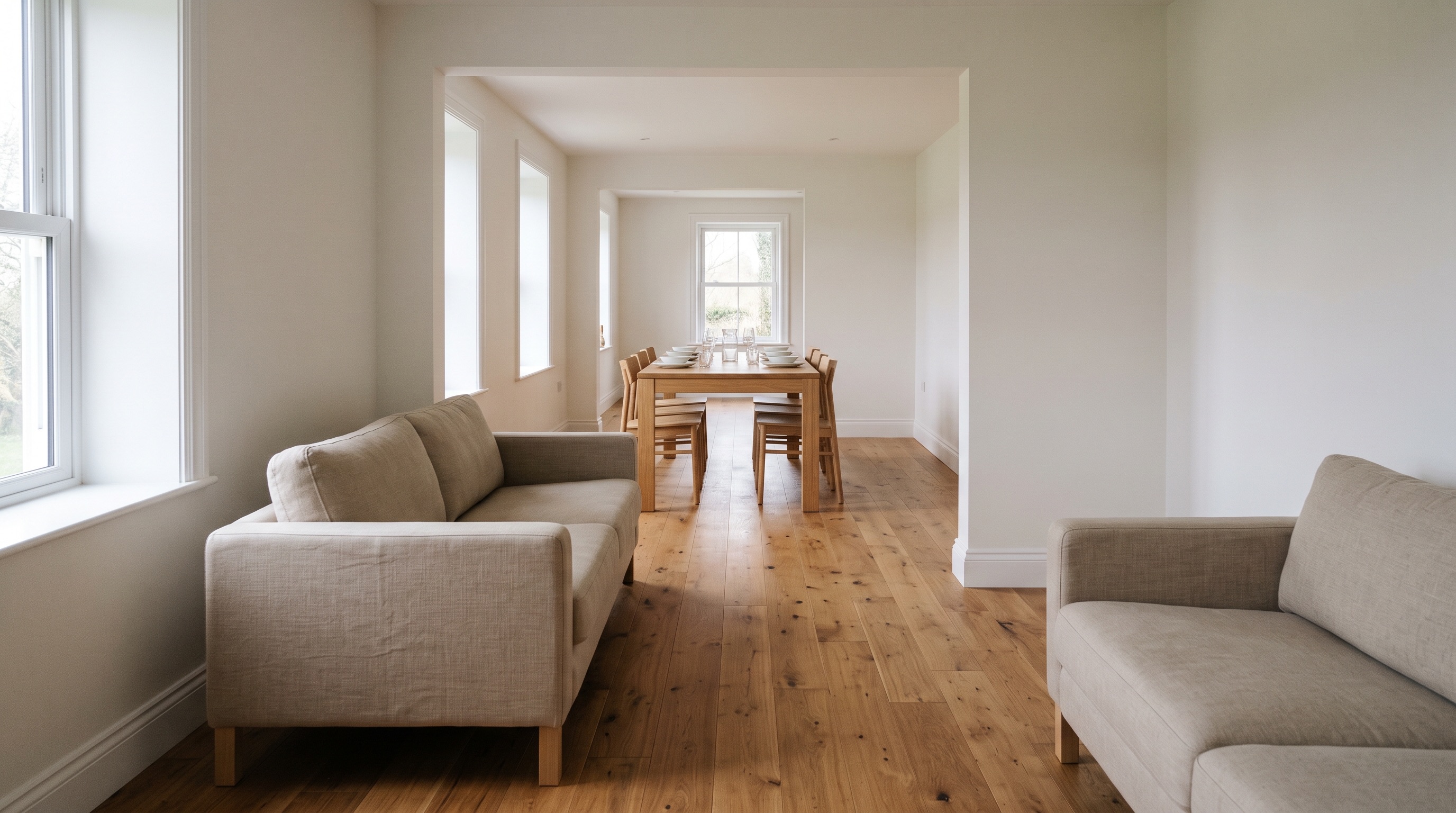
If the kitchen and bathrooms have been updated over the years but the connecting living spaces haven't, the mismatch itself becomes the problem. A home can feel disjointed even when every individual room is technically fine, simply because nothing was updated with the whole picture in mind.
Selling in the Next Few Years
Even if a full remodel isn't the goal, cohesive flooring, trim, and paint across connected living spaces can make a real difference in how a home shows. This is a different kind of project than remodeling purely for your own use, and it's worth being upfront about that goal from the first conversation.
How to Know If It's One Room or the Whole Floor
A simple way to think about scope: if fixing the room that bothers you would still leave the space feeling disconnected from the rooms around it, the real project is probably bigger than one room. If the issue is genuinely contained — a single home office that just needs better storage and lighting — a smaller, focused project is likely all you need.
Neither answer is wrong. The goal is matching the scope of the project to the actual scope of the problem, rather than assuming bigger is always better or smaller is always safer.
Where to Go From Here
If your home doesn't feel quite right but nothing seems technically broken, that's usually a sign worth taking seriously rather than dismissing. We start every interior remodel conversation the same way — walking the space, understanding what's not working, and helping you figure out what "remodel" actually means for your specific home.